How Device Mockups on Etsy and Canva Help You Sell More Digital Products
If you sell digital products on Etsy—whether it’s printables, planners, wall art, or templates—you already know that presentation is everything. Shoppers scroll through dozens of listings before deciding where to click, and the difference between a sale and a pass often comes down to one thing: how your product looks on the screen. That’s where the combination of a device mockup, Etsy, and Canva comes into play. Using a Device Etsy Canva Mockup workflow allows you to create professional, lifestyle-style product images without needing a photography studio, expensive equipment, or design experience. It’s a practical, accessible approach that puts polished visuals within reach of any seller.
In this article, we’ll walk through what this workflow really means, why it matters for your shop, and how you can start using it today to improve your listings and increase conversions.
What Is a Device Etsy Canva Mockup?
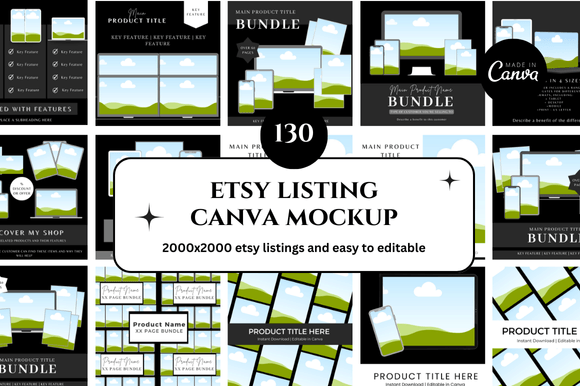
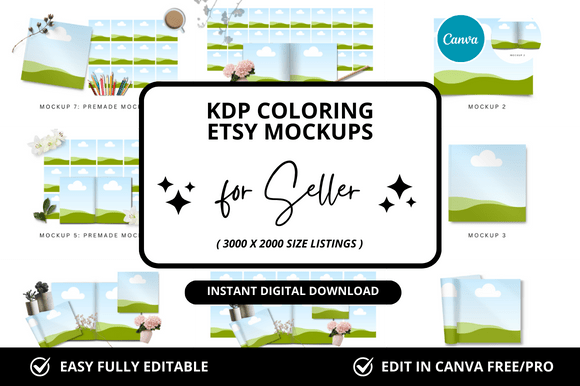
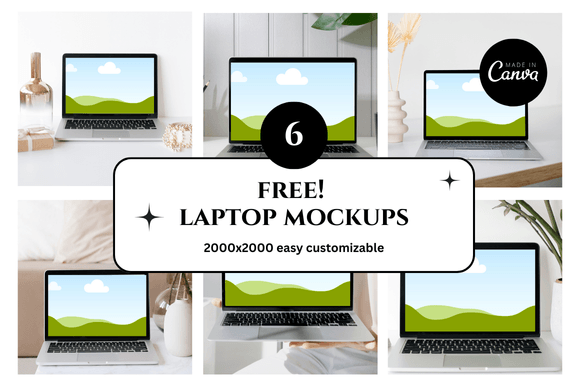
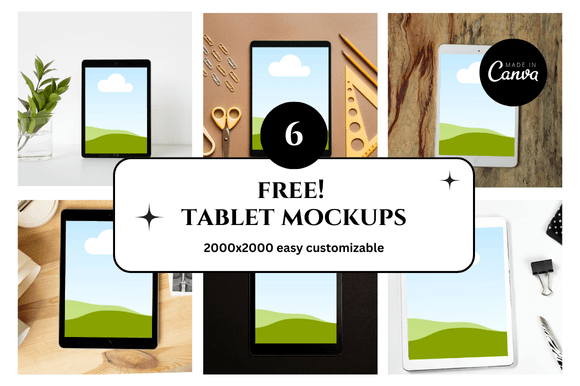
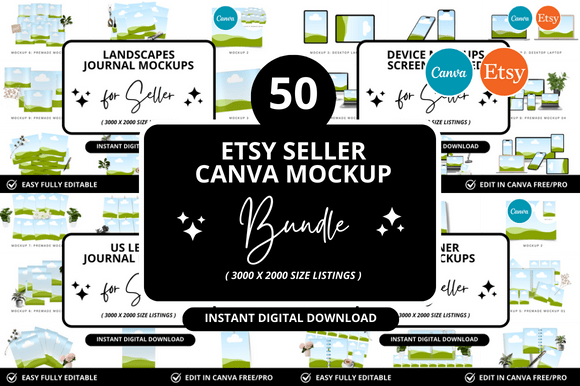
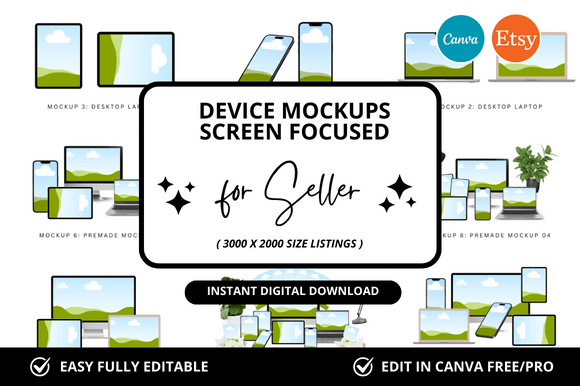
A Device Etsy Canva Mockup is essentially a pre-designed image template that shows your digital product displayed on a device like a smartphone, tablet, laptop, or desktop monitor. These mockups are often sold on Etsy as digital assets, and they are designed to be edited in Canva, a free and widely used graphic design tool. Instead of taking a photo of a physical product, you upload your design into the mockup template, and the image automatically looks as though your product is being used in a real-world setting.
For example, if you sell a digital wall calendar, you could use a mockup that shows the calendar displayed on a tablet held by someone sitting at a desk, with soft lighting and a cozy background. The result is a compelling, realistic product image that helps potential buyers visualize how they would use your item in their own life. This approach bridges the gap between a flat digital file and a tangible, desirable product.
Why Device Mockups Matter for Etsy Sellers
Etsy is a highly visual marketplace. Shoppers make quick judgments based on thumbnails and listing photos. If your images look flat, cropped poorly, or obviously computer-generated, buyers may hesitate to trust the quality of your product. On the other hand, listings that feature realistic, attractive mockup photos tend to attract more clicks, longer dwell time, and higher conversion rates.
The main challenges sellers face include:
- Lack of physical inventory: Digital products can’t be photographed directly, so you need a way to show them in use.
- Limited budget: Hiring a photographer or buying pro design software isn’t feasible for everyone.
- Time constraints: Creating custom mockups from scratch takes skill and hours of work.
- Inconsistent branding: Without a repeatable process, your listing images may look mismatched, which hurts brand perception.
Using a Device Etsy Canva Mockup workflow solves all of these problems at once. You get professional-looking images quickly, with consistent styling across your entire shop, and you can do it all inside your browser for free or very low cost.
How Canva Makes Mockup Creation Accessible
Canva is an ideal tool for this task because it removes the complexity of traditional design software. You don’t need to know layer masks, clipping paths, or advanced Photoshop techniques. With Canva, you simply drag and drop your design into the mockup template, adjust the placement if needed, and export the final image. The platform offers both free and Pro tiers, and many Etsy mockup templates are specifically built to work seamlessly with Canva’s interface.
Key features that make Canva work well for mockups include:
- Transparent overlays: Many mockup templates use smart object layers that automatically align your design onto the device screen.
- Resizing and repositioning tools: You can scale and rotate your design to fit perfectly inside the mockup frame.
- Background editing: Change the background color, add text overlays, or include props to match your brand aesthetic.
- Batch creation: Once you have a template that works, you can duplicate it and swap out the product design to create multiple listing images quickly.
For example, if you sell a set of digital planners in different color schemes, you can reuse the same mockup template for each variation, simply replacing the design file. This keeps your listing images cohesive and saves you from starting from scratch every time.
Practical Applications and Outcomes
Let’s look at how a typical seller might use a Device Etsy Canva Mockup in practice. Suppose you run an Etsy shop that sells budget tracker spreadsheets. Instead of showing a blank spreadsheet icon, you download a tablet mockup from Etsy that features a person holding the device with a coffee cup on the side. You open the template in Canva, upload your spreadsheet screenshot, and drop it onto the tablet screen. Within minutes, you have a lifestyle image that suggests organization, productivity, and real-world use.
The outcomes you can expect include:
- Higher click-through rates: Shoppers are more likely to click on a listing that shows a product in context.
- Reduced returns and complaints: When buyers see exactly what the product looks like in use, there are fewer mismatched expectations.
- More social sharing: Attractive images are more likely to be pinned on Pinterest or shared on social media, which drives extra traffic to your shop.
- Faster listing creation: Instead of spending hours on design, you can create multiple listing images in a single session.
Different Approaches for Different Users
Not every seller approaches mockups the same way, and that’s fine. Your choice depends on your budget, design comfort, and how much customization you need.
The Budget-Conscious Beginner
If you’re just starting out and don’t want to invest money upfront, look for free mockup templates on Etsy that are specifically labeled as Canva-compatible. Many sellers offer a small selection of freebies to attract buyers. You can also use Canva’s own mockup library, which includes a range of device frames. While these are more generic, they still look clean and professional. Start with one or two mockups and test them in your listings to see how they perform.
The Brand-Conscious Seller
If you already have an established shop with a brand color palette and aesthetic, you may want to invest in a premium mockup bundle. These often include multiple angles, lighting conditions, and lifestyle scenes that match a specific vibe—like minimal, boho, or modern. By using the same mockup set across all your listings, you build visual consistency, which helps customers recognize your brand instantly. In this case, the Device Etsy Canva Mockup becomes a core part of your brand toolkit.
The High-Volume Power Seller
If you list dozens of new products each week, efficiency is your priority. Look for mockup templates that allow you to swap designs in bulk or use Canva’s “brand kit” feature to save your colors and fonts. You might also explore mockups that include multiple devices in one scene, so a single image can show your product on a phone, tablet, and laptop simultaneously. This approach reduces the number of images you need to create while still giving buyers a full view of how your product works across devices.
Recommendations for Getting Started
If you’re ready to try using a Device Etsy Canva Mockup for your own shop, here are a few actionable recommendations:
- Choose mockups that match your niche: If you sell educational printables, look for mockups with desks, books, or classroom settings. If you sell art prints, find mockups that show framed artwork on walls or shelves.
- Prioritize resolution: Make sure the mockup template is high-resolution so your listing images look crisp on all devices, including retina displays.
- Check file format: Confirm that the template is compatible with Canva (usually a PNG with a transparent layer or a Canva-specific template file). Avoid templates that require Photoshop unless you have access to it.
- Use natural lighting and realistic settings: Avoid overly staged or fake-looking backgrounds. Buyers respond better to scenes that feel authentic and relatable.
- Test different angles: A front-facing device shot works well for flat designs like planners. A perspective angle works better for 3D-style products like mockup notebooks or cards.
- Keep your branding subtle: Your product should remain the focus. Avoid adding too much text or clutter around the device screen.
Common Questions and Useful Considerations
One thing to keep in mind is that mockups are not just for the main listing photo. You can use them across your entire listing gallery, showing your product from different angles or in different contexts. This gives shoppers a fuller understanding of what they’re buying. Some sellers also use mockup images in their shop banner, social media posts, and promotional graphics, which helps create a unified brand presence.
Another consideration is file size and load speed. While high-resolution images are important, overly large files can slow down your Etsy listing page and frustrate mobile shoppers. Compress your images before uploading without sacrificing visible quality. Canva allows you to adjust export settings, so you can balance clarity with speed.
Finally, remember that mockups are a tool, not a crutch. Your product itself still needs to deliver value. A beautiful mockup can attract a click, but positive reviews and clear product descriptions are what turn that click into a sale and a repeat customer.
Building a Sustainable Workflow
Once you’ve selected your preferred mockups and customized them in Canva, save the finished templates as Canva projects. This way, you can return to them later, update the product design, and export a fresh image in seconds. Over time, you can build a library of go-to mockups that work for different product categories. This repeatable workflow is what makes the Device Etsy Canva Mockup approach so powerful—it turns a one-time design task into a long-term system for maintaining high-quality visuals across your shop.
As your shop grows, you can also experiment with seasonal mockups, such as holiday-themed backgrounds or back-to-school scenes, to keep your listings feeling timely and relevant. The flexibility of Canva makes these updates quick and painless.
Ultimately, the goal is to bridge the gap between the digital nature of your products and the tangible experience buyers crave. With a thoughtful approach to mockups, you can present your work in a way that feels real, valuable, and worth purchasing—all without leaving your browser.