Evaluating Junk Journal Etsy Listings Mockups for Your Shop
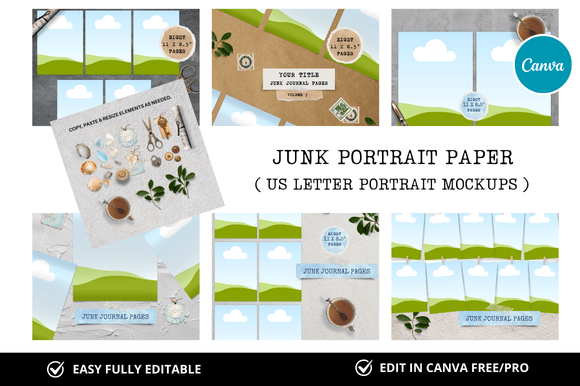
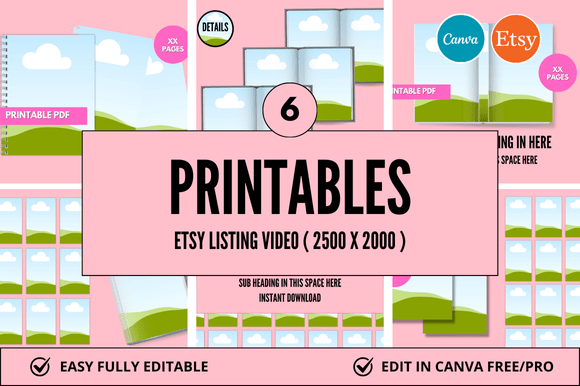
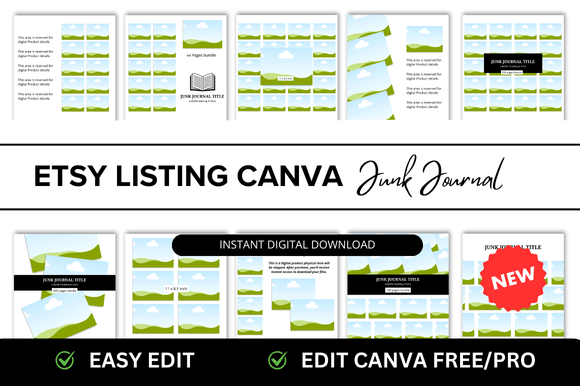
When selling handmade junk journals on Etsy, the visual presentation of your listings can significantly influence buyer interest. A Junk Journal Etsy Listings Mockup is a digital template designed to help sellers display their physical products in a realistic, styled setting without the need for professional photography equipment or elaborate staging. These mockups typically come as layered files for software like Adobe Photoshop, Canva, or Procreate, allowing you to insert a photo of your journal into a pre-designed scene that mimics a vintage desk, a cozy reading nook, or a rustic shelf. While the concept sounds straightforward, deciding whether to use such a mockup involves weighing several practical factors, including authenticity, time investment, cost, and the expectations of your target audience.
This article provides a balanced evaluation of junk journal Etsy listings mockups, helping you determine whether this tool aligns with your shop’s goals, workflow, and brand identity. Rather than simply describing what a mockup is, we focus on the decisions you face when considering one and offer insights to guide your choice.
What a Junk Journal Etsy Listings Mockup Actually Provides
At its core, a junk journal listing mockup is a shortcut to consistency. If you sell multiple journals, each with a unique cover design, color palette, and interior layout, photographing every single one in a cohesive setting can be time-consuming and logistically challenging. A mockup gives you a uniform background, lighting, and composition that you can reuse across listings, ensuring your shop has a polished, professional look.
Mockups are available in two primary formats: pre-rendered scenes where you only swap the journal image into a designated area, and fully editable layered files that let you adjust elements like shadow intensity, background props, or the angle of the book. Some mockups are designed to mimic vintage aesthetics, complete with lace, keys, or pressed flowers, while others adopt a cleaner, minimalist look that lets the journal itself take center stage. The choice between these formats depends heavily on how much control you want over the final image and how comfortable you are with digital editing tools.
Reasons Sellers Consider Using a Mockup
The appeal of a junk journal Etsy listings mockup often stems from practical constraints rather than aesthetic preference. Many sellers operate from home with limited access to natural light, versatile backdrops, or photography equipment. A mockup removes the need to hunt for the perfect antique table or wait for the right time of day to shoot. It also reduces the time spent editing each photo individually, as the lighting and color grading are already built into the template.
Another common motivator is the desire for a cohesive brand identity. When a potential buyer scrolls through your shop, they are more likely to pause and explore if every listing shares a recognizable visual style. Mockups make it easy to achieve that uniformity without hiring a graphic designer or investing in expensive props. For sellers who list journals infrequently or as a side venture, a mockup can be a cost-effective way to maintain a professional appearance without a major time commitment.
Additionally, mockups allow you to present the journal in context. A scene that includes a cup of tea, a botanical print, or a vintage typewriter helps the buyer imagine the journal in their own life, which can support the emotional connection that junk journals often rely on. This contextual storytelling is harder to achieve with a simple plain-background photo, especially if you lack styling skills or a suitable environment.
Benefits and Tradeoffs of Using a Mockup
One of the clearest benefits is consistency. Once you have a mockup template that fits your aesthetic, every new listing can adopt the same look with minimal effort. This saves time in the long run and can make your shop appear more established and trustworthy. Buyers often associate consistent imagery with reliability and attention to detail, which may positively influence their purchasing decision.
However, there are tradeoffs that warrant careful consideration. The most significant is the potential loss of authenticity. Junk journals are inherently tactile, imperfect, and full of character. A mockup scene can sometimes feel staged or generic, especially if the same background appears across dozens of listings. Savvy buyers may recognize that the setting is digital rather than real, which can undercut the handmade, one-of-a-kind feel that junk journals typically celebrate.
Another tradeoff is the learning curve. Even with a well-designed mockup file, you need to understand how to place your journal image correctly, match perspective, and adjust shadows so the insertion looks natural. A poorly executed mockup—where the journal appears to float or the lighting doesn’t match—can harm your credibility more than a simple, honest photo would. If you are not comfortable with editing software, the time saved in photography may be spent troubleshooting digital layers.
Cost is also a factor. While some mockups are available for a few dollars on Etsy or Creative Market, premium options with multiple angles and extensive customization can cost $15 to $30 or more. If you only sell a few journals per year, this expense may not justify itself. On the other hand, if you plan to scale your shop, a one-time investment in a versatile mockup can save money over repeated professional photoshoots.
When a Mockup Is a Strong Fit for Your Shop
A junk journal Etsy listings mockup tends to work best in situations where consistency and efficiency take priority over documenting every physical detail. If you sell journals that are similar in size and structure but vary in cover design, a mockup can present them as part of a cohesive collection. This is especially effective if you are running a shop with a defined theme, such as vintage botanical, Victorian gothic, or rustic farmhouse, because the mockup scene can reinforce that theme across all listings.
Mockups are also a good match if you sell digital or printable junk journal kits. In that case, the product itself is not physical, so a styled mockup scene is often the most accurate way to show what the buyer will receive. Many digital sellers use mockups to demonstrate how a printed journal might look when assembled, which helps bridge the gap between a digital file and a finished object.
If you are just launching a shop and want to build a polished storefront quickly, a mockup can help you get listings live without waiting for perfect photography conditions. Once you have established a customer base, you may choose to transition to original photography, but initial momentum often matters more than perfection.
When Alternatives May Be Worth Considering
There are several scenarios where relying on a mockup might not serve your goals. If your junk journals are highly diverse in size, shape, or construction—for example, some are tiny pocket journals while others are oversized with exposed spine bindings—a single mockup scene may not accommodate all of them naturally. The perspective and scale built into a mockup are fixed, so forcing a journal that doesn’t match the template can result in unconvincing images.
Alternatives to a dedicated mockup include learning basic flat-lay or natural-light photography with a simple backdrop, using blank or neutral props, or investing in a small lightbox. These methods give you full control over authenticity and allow you to capture the unique textures, wear, and imperfections that make junk journals appealing. For sellers who emphasize the handmade, recycled, or upcycled nature of their work, real photography often communicates that value more effectively than a digital scene.
Another alternative is to use user-generated content or photos taken by customers who have purchased from you. With permission, these images can serve as authentic social proof and show your journals in real environments. While this approach lacks the polish of a mockup, it can build trust and community in ways that staged images cannot.
If you already have a strong Instagram or Pinterest presence with original styled photos, introducing a mockup into your Etsy shop may create a disconnect between your social media aesthetic and your listing images. Consistency across your entire brand presence matters, and a sudden shift from real to mockup photography can confuse followers or dilute your visual identity.
Practical Decision-Making Insights
To decide whether a junk journal Etsy listings mockup is right for you, start by clarifying your primary goal. If your main objective is to save time and ensure visual consistency across a growing number of listings, a mockup can be a practical tool. If your goal is to convey the tactile, authentic, and handmade nature of your work, real photography may serve you better, even if it requires more effort.
Consider testing a single mockup with one or two listings before committing to a full shop redesign. Pay attention to how those listings perform compared to your existing photos. Look at metrics like click-through rate, time on page, and whether customers message you with questions about the product’s physical qualities. If the mockup seems to generate confusion or skepticism, that is valuable feedback that should guide your approach.
It is also worth evaluating your editing skills honestly. If you are comfortable with layers, masks, and color adjustment, a mockup can be a flexible asset. If you find those tasks frustrating or time-consuming, a simpler photography setup might actually be faster and produce more reliable results. Remember that a well-executed photograph with natural light and a simple background can look just as professional as a digital scene, especially for handmade goods where authenticity is a selling point.
Finally, think about the long-term trajectory of your shop. If you plan to expand into other paper goods, such as notebooks, planners, or scrapbook kits, a mockup that can accommodate different products might offer better return on investment. If you intend to remain focused on one-of-a-kind junk journals, you may prefer an approach that highlights the uniqueness of each piece rather than fitting them into a uniform template.
Determining Whether a Mockup Aligns with Your Needs
There is no universal right or wrong answer when it comes to using a junk journal Etsy listings mockup. The decision depends on your shop’s size, your product range, your technical comfort level, and the story you want your listings to tell. For many sellers, a hybrid approach works well: use a mockup for standard listings where consistency matters most, and supplement with real photography for hero products or custom commissions where authenticity is paramount.
As you evaluate your options, focus on what helps potential buyers understand and trust your product. A mockup is a tool, not a shortcut to quality. If it helps you present your junk journals clearly and appealingly without misleading the customer, it can be a worthwhile addition to your workflow. If it creates distance between the product and the buyer’s expectations, it may be better to invest your time in developing photography skills or sourcing simple, reusable props.
Ultimately, the most effective listing images are those that accurately represent what the buyer will receive while reflecting the care and creativity that went into making it. Whether you achieve that through a mockup or through original photography, the guiding principle remains the same: your images should serve the product, not dominate it.